


Manufacturing lead generation is not about maximising enquiry volume. It is about attracting the right buyers, qualifying demand earlier, and building digital touchpoints that help engineering, procurement, and operations-focused audiences move toward a real sales conversation.
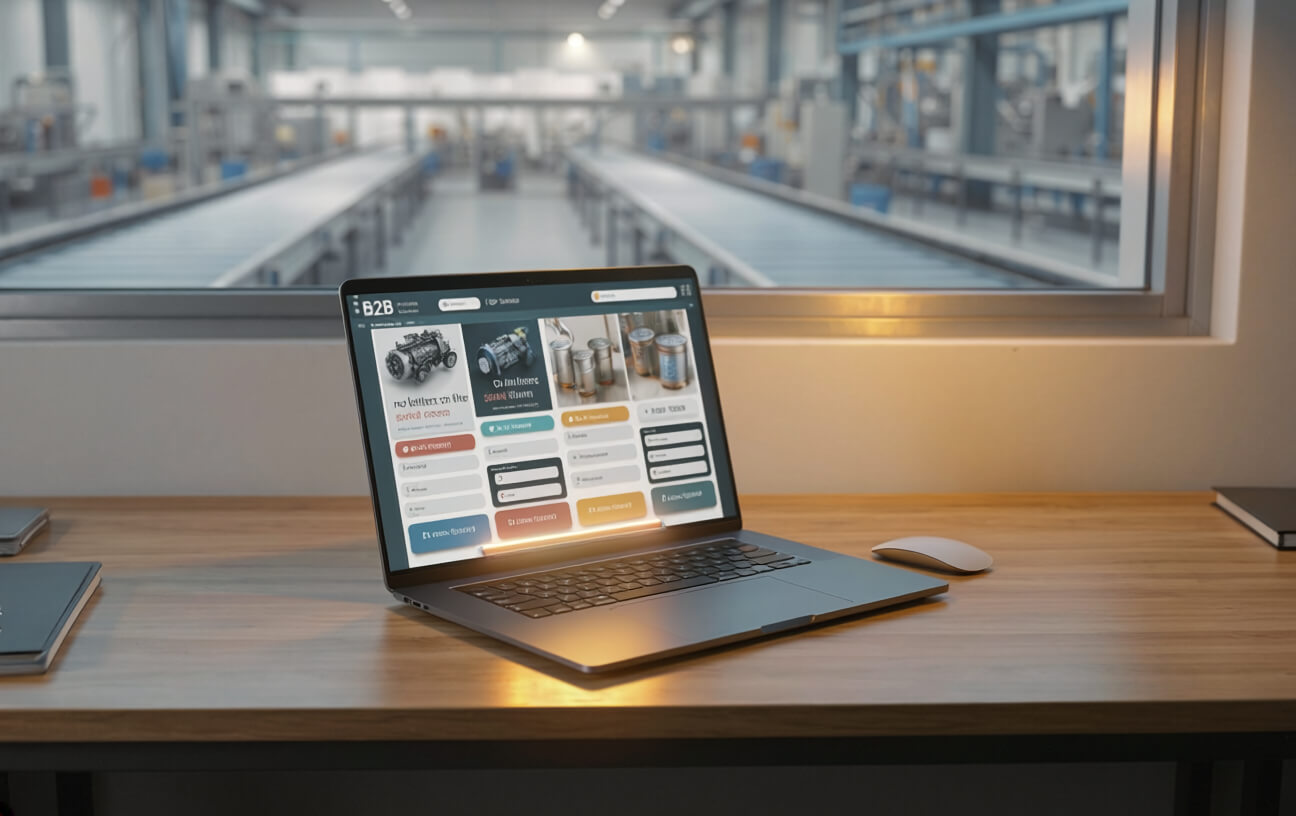

In B2B manufacturing, lead generation works best when product information, quote flows, CRM processes, and content strategy are all designed to support how technical buyers actually evaluate suppliers.
Why Lead Generation for Manufacturers Is Different
Engineers searching for a component supplier aren't browsing — they have a specific application, defined technical requirements, and limited patience for content that doesn't get to the point. They'll filter a product catalog, check a datasheet, compare specifications. If they can't find what they need in a few clicks, they move on.
B2B manufacturer lead generation operates across long sales cycles with multiple decision-makers: procurement, engineering, operations, finance — each with different questions and evaluation criteria. It isn't about getting someone to a contact form. It's about being useful and visible across a long evaluation process.
What Makes a Lead Qualified in Manufacturing
A qualified lead in manufacturing isn't someone who filled in your contact form. It's someone with a specific application that fits your product range, authority or influence in a purchasing decision, and a real timeline. Lead generation for manufacturing companies that focuses on volume rather than qualification creates a downstream problem: sales teams spending time on enquiries that go nowhere.
Building qualification into digital touchpoints — before a lead ever reaches sales — reduces the cost of unqualified enquiries and improves the conversion rate of those that do reach the sales team.
Website Foundations: UX, Product Information, and Quote Flows
Filterable product catalogs instead of PDFs
Replacing static PDF catalogs with filterable, searchable product pages is the single highest-impact change most manufacturer websites can make. PDFs can't be filtered, go out of date, and create dead ends in the buyer journey. Product pages filterable by application, specification, and technical parameter serve technical buyers the way they actually work — and they capture the specific search queries that indicate purchase intent. In that sense, modern lead generation is closely tied to wider digital transformation in manufacturing, because better leads depend on better systems, better data, and better buyer journeys.
Rep routing that doesn't require calling headquarters
A geographically mapped dealer and rep locator — kept current through a self-service portal rather than email updates — removes a friction point where manufacturers consistently lose qualified leads. The prospect reaches the right contact directly instead of dropping in a general enquiry queue.
Quote flows that capture specifications
A structured quote flow that captures application, technical requirement, and relevant specifications qualifies enquiries automatically — and signals to serious buyers that you understand their process. This is lead generation manufacturing done right: qualification built into the touchpoint, not delegated to the sales team after the fact.
For many manufacturers, improving lead generation is not a standalone website task but one part of a broader digital transformation roadmap for manufacturing.
SEO and Content Strategy for Manufacturer Lead Generation
Technical, application-specific content outperforms general awareness content for b2b manufacturer lead generation. A piece about performance requirements for sealing in high-pressure hydraulic systems gets less traffic than a general sealing article — and converts at a much higher rate, because people searching that specifically are actually buying.
Case studies follow the same logic. Specificity builds credibility with technical buyers: which industry, which specific problem, which technical approach, what measurable result. This also captures the niche search traffic that broader content doesn't reach.
For many manufacturers, content works best when it supports specific buying questions rather than broad awareness topics. Application pages, comparison content, sizing guidance, material-selection content, and technically credible case studies tend to generate fewer visits than generic blog posts — but far more commercial relevance.
Lead Routing and CRM Follow-Up
Well-scoped CRM ERP integration and enquiry routing by territory or product line give sales teams a far more reliable pipeline to work from, especially when quote form data can be turned into structured records automatically.Marketing automation that tracks product page visits and datasheet downloads routes commercial signal to the right rep automatically.
The most useful lead generation metrics in manufacturing are downstream metrics: how many enquiries reach a sales conversation, how many turn into qualified opportunities, how quickly the right rep responds, and which sources produce real pipeline rather than form-fill volume.
At xfive, we build the website and CRM infrastructure that turns manufacturer traffic into qualified pipeline: filterable catalogs, rep routing systems, structured quote flows, and marketing automation connected to sales workflows. → xfive.co/industries/manufacturing-software-development
Common Lead Generation Mistakes for Manufacturers
Common mistakes in manufacturing lead generation are rarely about not doing enough marketing. More often, they come from using the wrong structure.
Typical problems include:
- sending all enquiries into one generic inbox,
- hiding technical information behind unnecessary forms,
- relying on PDF catalogues instead of searchable product pages,
- failing to qualify leads before they reach sales,
- measuring success by volume instead of pipeline quality.
FAQ
Why does my manufacturer website get traffic but few good leads?
Usually a search intent mismatch. You're ranking for terms that attract students and researchers rather than engineers and procurement managers. Shifting to application-specific content targets buyers actually evaluating suppliers — and that's where manufacturing lead generation pays off.
Should manufacturers gate technical content?
Carefully. Engineers who hit a form before accessing a datasheet often leave and find the information on a competitor's site. Gate based on what you're trying to accomplish, not as a default.
What metrics matter for B2B manufacturer lead generation?
Track downstream: what percentage of enquiries reach a sales conversation, how many advance to formal evaluation, what converts to first order. Volume metrics tell you what arrived — pipeline metrics tell you whether it was worth generating.
About the author